RisingStar
- Home
- About Us
- Products
- News
- Video
- Contact
- Send Inquiry
Search
- Home
- About Us
- Products
- News
- Video
- Contact
- Send Inquiry
RisingStar
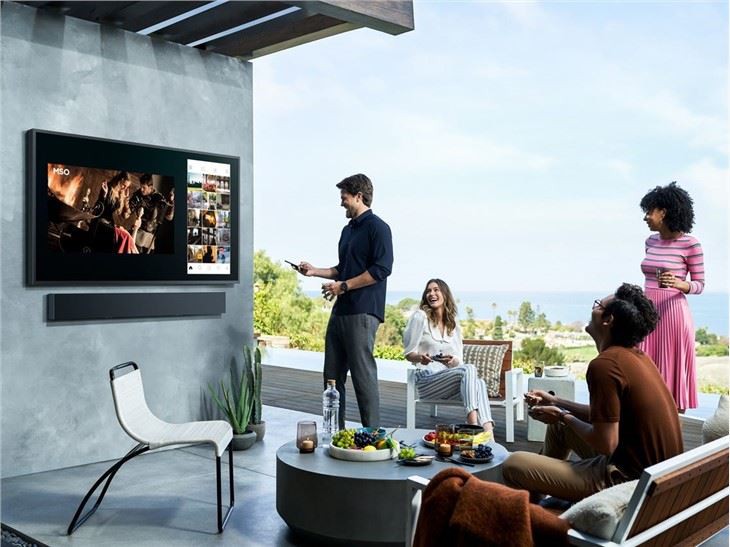
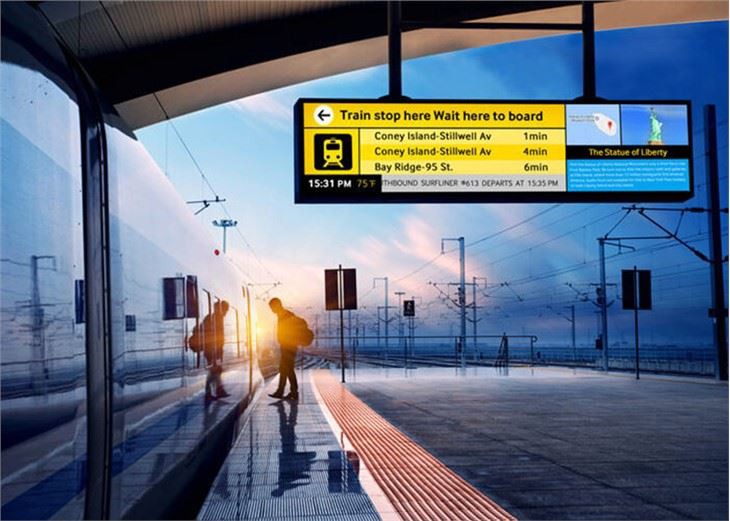
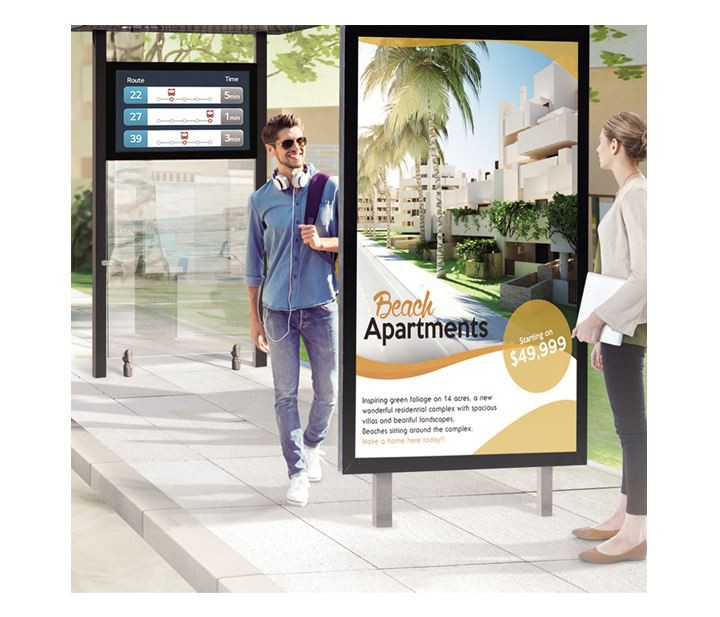
High-brightness sunlight-readable LCD displays are essential components in modern outdoor applications where visibility under direct sunlight is critical. These displays, typically rated at 5,000 to 10,000 nits of brightness, outperform standard indoor LCDs that usually max out at 300–500 nits. Their ability to maintain clarity and readability in intense ambient light conditions—such as on military vehicles, industrial control panels, public transport dashboards, or solar-powered monitoring systems—makes them indispensable across multiple sectors.
The core technology behind these displays lies in advanced backlighting, anti-glare coatings, and high-contrast ratios. Unlike conventional LCDs, which suffer from poor visibility when exposed to bright sunlight due to reflection and contrast loss, sunlight-readable LCDs incorporate features like transflective liquid crystal layers, which combine reflective and transmissive modes. This allows the display to function efficiently both in bright daylight and low-light environments without requiring excessive power consumption—a key advantage in battery-powered devices.
Manufacturers such as LG Display, AU Optronics, and Sharp have developed proprietary technologies like “Sunlight Readable” (SR) and “Transflective LCD” to meet military-grade standards (e.g., MIL-STD-810G). For example, the U.S. Department of Defense mandates that field equipment must operate reliably in temperatures ranging from -40°C to +70°C with full functionality under 10,000 lux of sunlight. High-brightness LCDs used in tactical communication devices and drones often exceed this requirement by offering up to 12,000 nits, ensuring mission-critical information remains legible even in desert or arctic conditions.
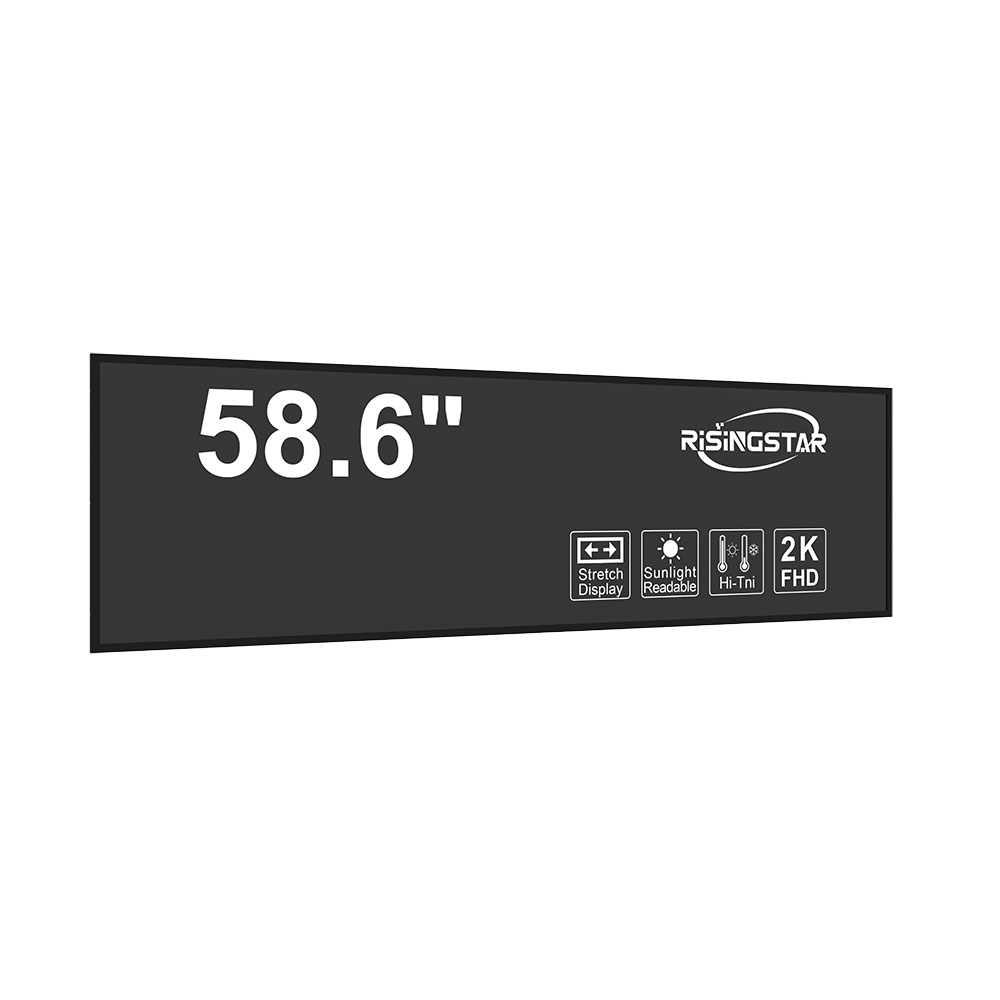
Case studies from the automotive and aviation industries further validate their effectiveness. In the 2022 study published by IEEE Transactions on Human-Machine Systems, researchers tested three types of displays in real-world outdoor settings. The results showed that sunlight-readable LCDs maintained 98% readability under direct sunlight compared to only 35% for standard TN panels. Similarly, Airbus and Boeing now specify high-brightness LCDs in cockpit heads-up displays (HUDs), reducing pilot workload and enhancing safety during takeoff and landing.

From a design perspective, engineers must also consider environmental resilience—IP65 or higher sealing ratings, shock resistance, and wide viewing angles (typically 170° horizontal/170° vertical). OLED-based solutions, while promising in contrast and color accuracy, remain less viable for extreme outdoor use due to burn-in risks and lower peak brightness. Therefore, LED-backlit IPS or TN panels with optimized optical films remain the industry standard.
In conclusion, high-brightness sunlight-readable LCDs represent a convergence of materials science, optical engineering, and human factors research. As global demand grows—from smart city infrastructure to agricultural IoT sensors—these displays will continue to evolve with innovations in mini-LED, quantum dot enhancements, and adaptive brightness algorithms. They are not just a component but a critical enabler of reliable human-machine interaction in any environment where sunlight is constant and unyielding.