RisingStar
- Home
- About Us
- Products
- News
- Video
- Contact
- Send Inquiry
Search
- Home
- About Us
- Products
- News
- Video
- Contact
- Send Inquiry
RisingStar
In today’s increasingly connected world, high-brightness sunlight-readable LCD screens have become indispensable components in a wide range of industries—from military and aerospace to outdoor industrial equipment and public transportation. These displays are engineered to maintain visibility under intense ambient light conditions, such as direct sunlight or harsh artificial lighting, where conventional LCDs fail to provide adequate readability. The demand for these specialized displays has surged due to the proliferation of mobile and embedded systems operating in extreme environments—such as defense vehicles, agricultural machinery, construction equipment, and emergency response units.
The core challenge with traditional LCDs lies in their limited luminance output, typically ranging from 250 to 400 nits (cd/m²). In full sunlight conditions—which can exceed 100,000 lux—the contrast ratio drops dramatically, making content unreadable. High-brightness sunlight-readable LCDs address this by delivering luminance levels between 3,000 and 7,000 nits, often exceeding the brightness of standard consumer displays by over 10 times. This enhanced luminance is achieved through a combination of advanced backlighting, optimized panel design, and intelligent software algorithms that dynamically adjust brightness based on ambient light sensors.
One of the most critical innovations enabling this performance is the use of high-efficiency LED backlights. Unlike older fluorescent-based solutions, modern high-brightness LCDs employ arrays of high-power LEDs arranged in uniform patterns behind the display panel. These LEDs are often driven at higher current levels than typical consumer models, producing significantly more light output without overheating or degrading prematurely. According to the U.S. Department of Defense’s MIL-STD-810G standards, which govern environmental durability for military-grade electronics, these displays must withstand temperatures from -40°C to +70°C, shock, vibration, and exposure to dust and moisture. High-brightness LCDs are specifically designed to meet or exceed these requirements, ensuring operational reliability in field conditions.
Another key technology is the integration of anti-glare coatings and polarized glass layers. These reduce reflections caused by sunlight bouncing off the screen surface—a common issue in uncoated panels. For example, Corning Gorilla Glass with an oleophobic coating not only improves scratch resistance but also minimizes glare. Some manufacturers implement multi-layer optical films, including diffusers, brightness enhancement films (BEFs), and prismatic sheets, to distribute light evenly across the display while boosting perceived brightness. A study published in the IEEE Transactions on Consumer Electronics (2021) demonstrated that such layered optical designs can increase effective luminance by up to 25% compared to single-layer configurations.

Furthermore, adaptive brightness control using ambient light sensors (ALS) plays a crucial role in power efficiency and user comfort. These sensors continuously measure surrounding light intensity and adjust the backlight accordingly—dimming during low-light indoor settings and maximizing brightness in outdoor scenarios. This feature not only extends battery life in portable devices but also reduces eye strain for users working in variable lighting conditions. In tactical applications like night-vision systems or vehicle command centers, dynamic brightness adjustment ensures consistent visibility without compromising stealth or safety.
The application landscape for high-brightness sunlight-readable LCDs is expanding rapidly. In the military sector, these displays are used in unmanned ground vehicles (UGVs), tanks, aircraft cockpits, and handheld communication devices. The U.S. Army’s Integrated Visual Augmentation System (IVAS), for instance, relies on a custom-built high-brightness LCD display integrated into a helmet-mounted system, allowing soldiers to view maps, targeting data, and real-time communications even in direct sunlight. Similarly, in commercial aviation, cockpit displays must remain readable during daytime operations, especially in tropical regions where solar radiation is intense.
In the industrial domain, high-brightness LCDs are essential for heavy machinery such as excavators, cranes, and bulldozers, where operators need to monitor diagnostic information, GPS navigation, and sensor readings in open-air environments. Caterpillar Inc., one of the leading manufacturers of construction equipment, integrates these displays into its machines’ control consoles to ensure reliable operation regardless of weather conditions. In agriculture, John Deere uses similar technology in tractors and harvesters equipped with GPS-guided steering systems, where clarity under bright sun is vital for precision farming.
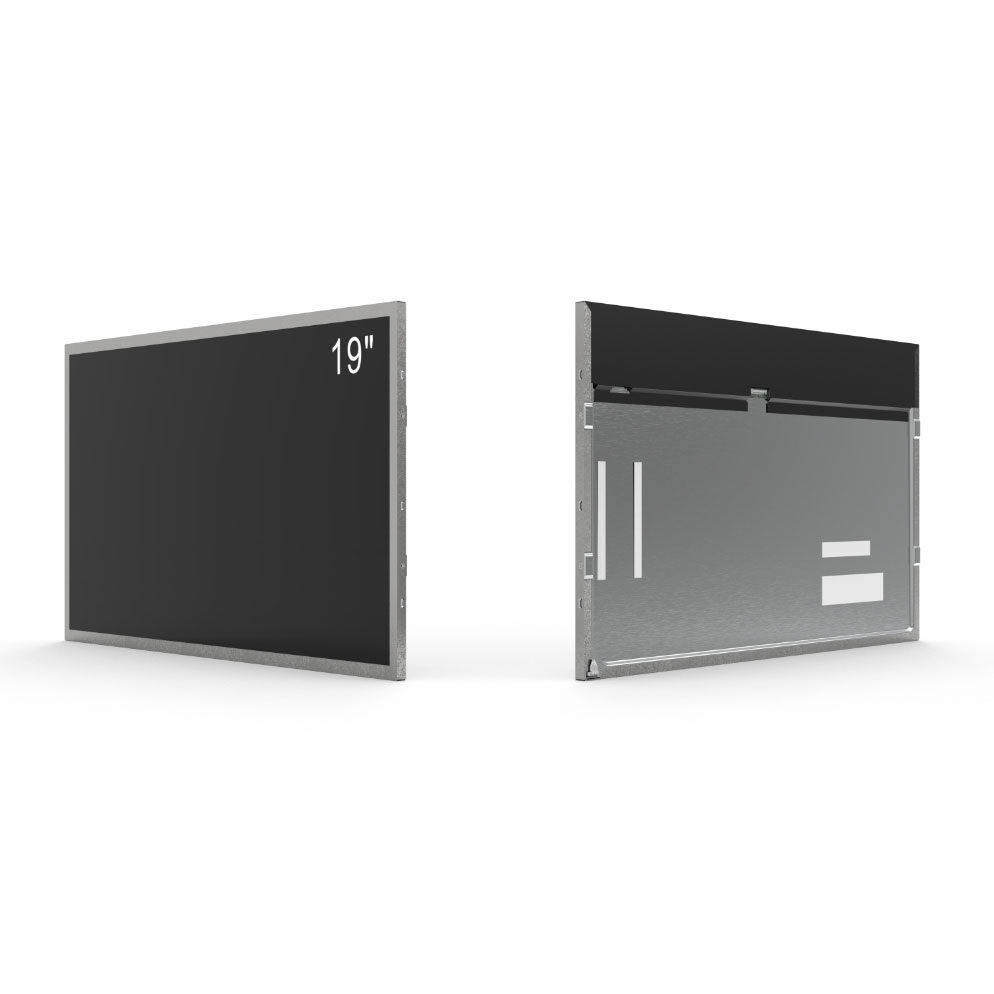
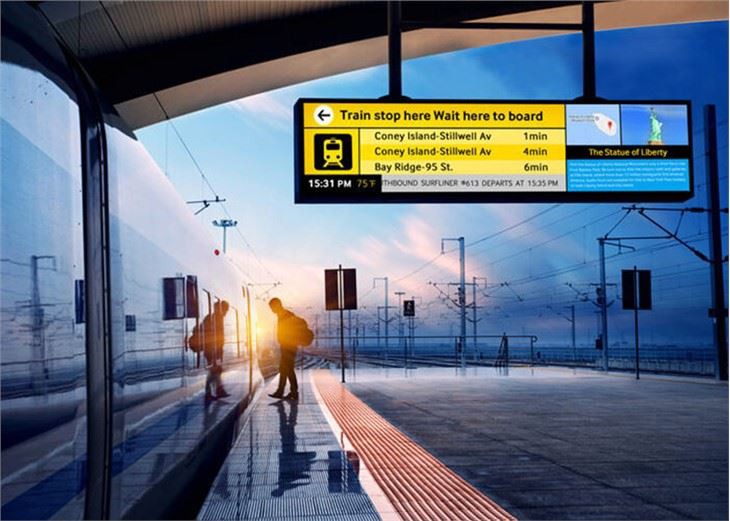
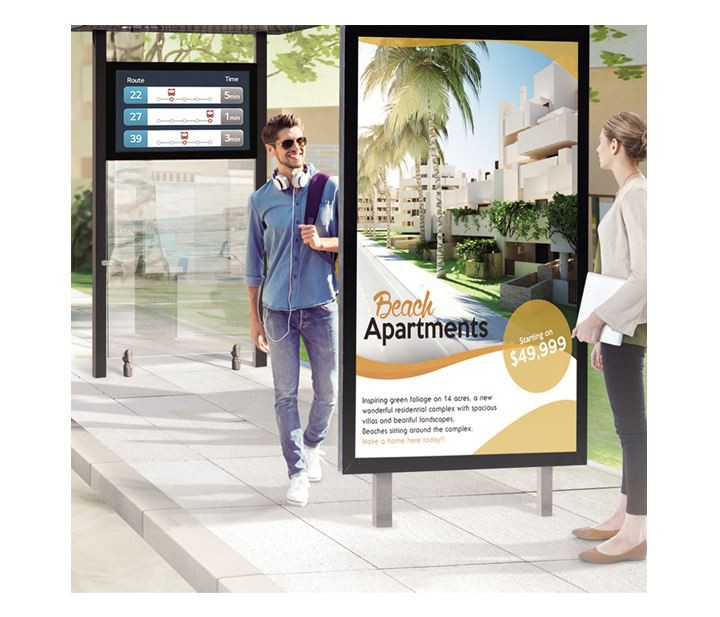
Public infrastructure also benefits from this technology. Bus stop information boards, traffic signal control units, and kiosks in urban plazas require displays that remain legible throughout the day. In Tokyo, for example, the Metropolitan Transportation Authority installed high-brightness sunlight-readable LCDs in its subway station displays to improve passenger experience during peak daylight hours. These displays often include touch functionality, enabling interactive services like route planning, ticket purchasing, and emergency alerts—all while resisting UV degradation and thermal stress.
Manufacturers like LG Display, BOE Technology, and Innolux have invested heavily in R&D to push the boundaries of high-brightness LCD technology. Recent advancements include micro-LED backlighting, which offers superior energy efficiency and faster response times than traditional LED arrays. Additionally, some companies are exploring quantum dot-enhanced LCDs that improve color gamut and luminance uniformity, particularly important for medical imaging and scientific visualization applications.
Despite the clear advantages, challenges remain. One major concern is heat dissipation—high-power LEDs generate significant thermal loads that must be managed effectively to prevent premature failure. Thermal management strategies include heat sinks, passive cooling fins, and active ventilation systems, all carefully integrated into the display housing. Another consideration is power consumption; while modern displays are more efficient, they still require robust power supplies, especially in battery-powered applications like drones or handheld field devices.
From a regulatory perspective, compliance with international standards such as EN 60950 (safety), ISO 16750 (automotive environmental testing), and MIL-STD-810G is non-negotiable for manufacturers targeting global markets. These certifications ensure that displays can endure mechanical shock, humidity, temperature extremes, and electromagnetic interference—conditions frequently encountered in real-world deployments.
Looking ahead, the convergence of AI-driven brightness optimization, edge computing integration, and flexible OLED alternatives may reshape the future of sunlight-readable displays. However, LCDs will continue to dominate due to their cost-effectiveness, mature manufacturing processes, and proven reliability in mission-critical applications. As industries evolve toward smart cities, autonomous vehicles, and Industry 4.0, the demand for durable, high-brightness, sunlight-readable LCDs will only intensify—making them a cornerstone of modern human-machine interfaces in outdoor and high-stress environments.