 RisingStar
- Home
- About Us
- Products
- News
- Video
- Contact
- Send Inquiry
Search
- Home
- About Us
- Products
- News
- Video
- Contact
- Send Inquiry
RisingStar
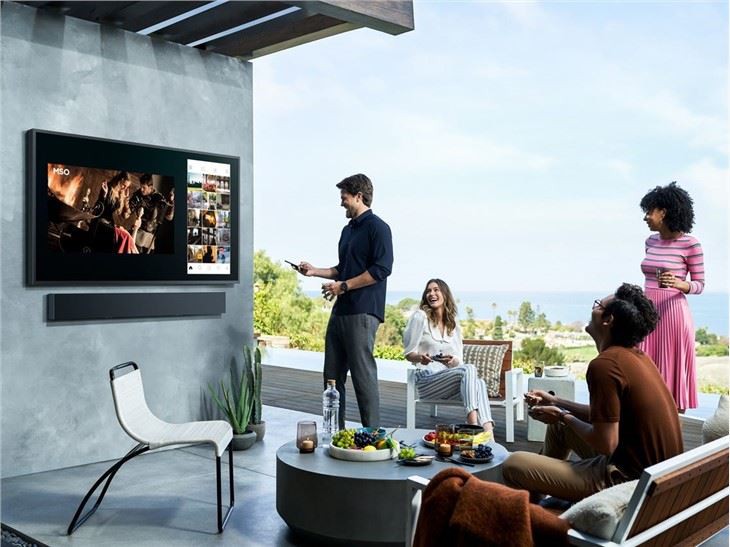
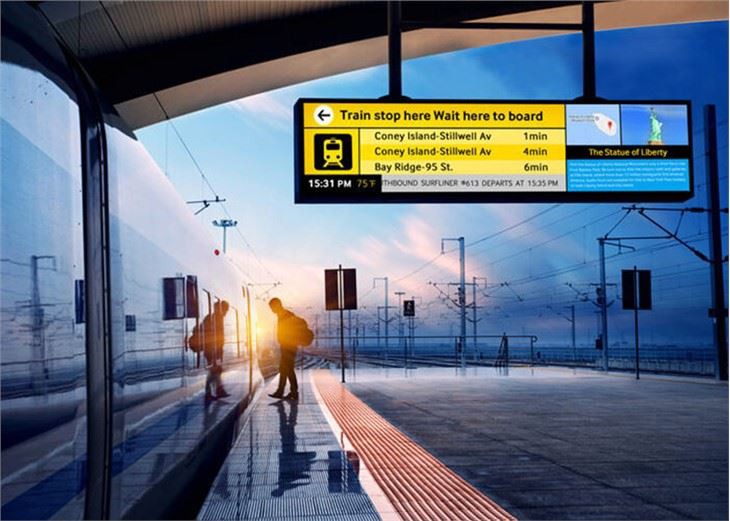
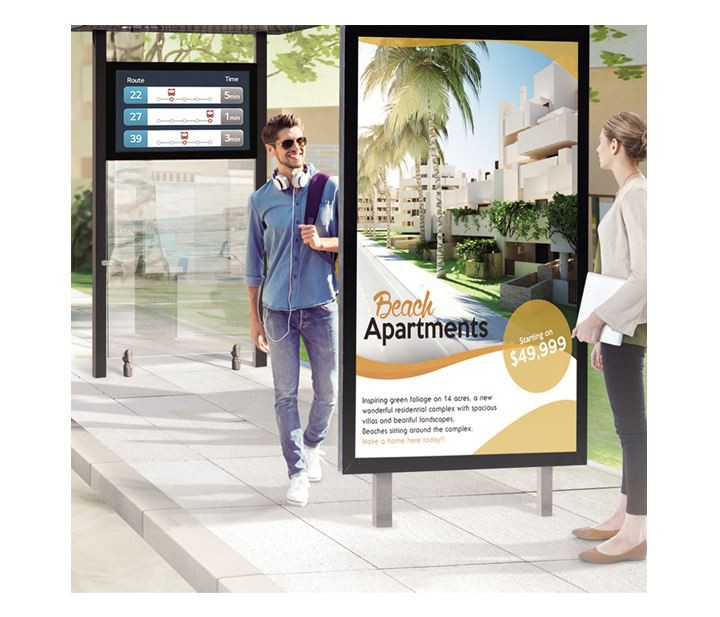
High-brightness sunlight-readable LCD screens have become a critical technology in environments where visibility under direct sunlight is essential—ranging from military field operations to commercial outdoor kiosks, industrial control panels, and public transportation systems. These displays are engineered to maintain readability even under extreme lighting conditions, with brightness levels typically exceeding 5,000 nits (compared to standard indoor LCDs at 200–500 nits). The core innovation lies in the combination of high-luminance backlighting, anti-glare coatings, polarized filters, and advanced optical bonding techniques that minimize reflection and enhance contrast.
One of the most notable practical applications is in defense and aerospace sectors, where soldiers and pilots rely on ruggedized displays in combat vehicles or aircraft cockpits. For instance, the U.S. Department of Defense has standardized the use of 7,000-nit sunlight-readable displays for mission-critical HUDs (Head-Up Displays) since 2019, as documented in MIL-STD-810H. Similarly, in industrial automation, manufacturers like Siemens and ABB integrate these screens into HMI (Human-Machine Interface) panels used in solar farms, oil rigs, and mining operations, where ambient light can exceed 100,000 lux during midday sun exposure.
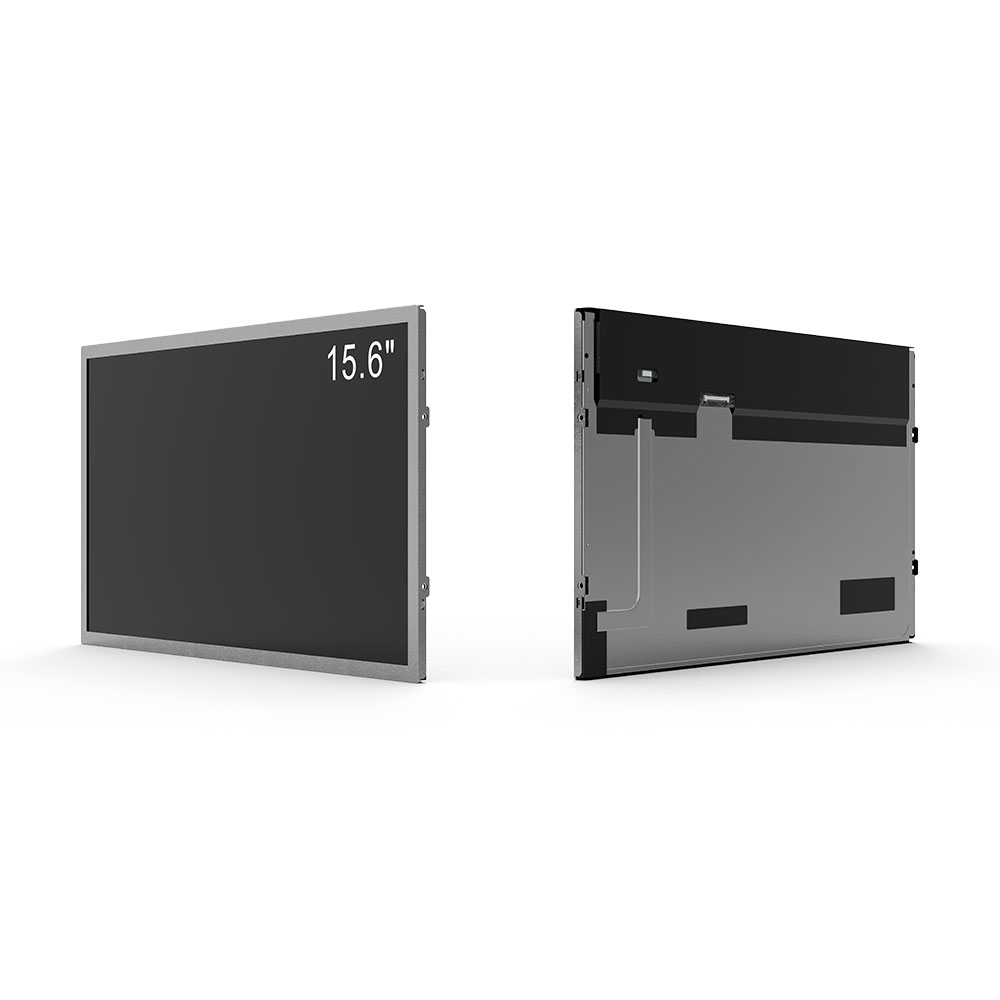
Advantages of high-brightness sunlight-readable LCDs include superior contrast ratios (often >1000:1), wide viewing angles (up to 178°), and enhanced durability through IP65-rated enclosures and shock/vibration resistance. Additionally, they support touch functionality—even with gloves or in wet conditions—making them ideal for harsh environments. According to a 2023 report by MarketsandMarkets, the global market for sunlight-readable displays is projected to grow at a CAGR of 7.2% from 2023 to 2028, driven by increasing demand in smart city infrastructure and autonomous vehicle interfaces.
However, common problems remain. One challenge is thermal management—high brightness increases power consumption and heat generation, requiring efficient heatsinks or active cooling. Another issue is cost; premium-grade components such as transflective liquid crystal layers and custom backlights can increase unit prices by up to 40% compared to standard LCDs. Moreover, achieving true color accuracy under varying sunlight spectra remains a technical hurdle, particularly in early-generation models.
Latest trends point toward hybrid solutions combining OLED and LCD technologies for improved energy efficiency without sacrificing brightness. For example, Sharp’s “Sunlight Readable OLED” prototype (announced in 2023) uses micro-LED arrays to boost luminance while reducing power draw by 35%. Additionally, AI-driven adaptive brightness algorithms are now being embedded in controllers to dynamically adjust display intensity based on ambient light sensors, enhancing both user experience and battery life in mobile applications.
In summary, high-brightness sunlight-readable LCDs are no longer niche—they are foundational in modern outdoor and industrial electronics. As standards evolve (such as the upcoming ISO 16067-2 for outdoor display performance), manufacturers must balance brightness, durability, power efficiency, and cost to meet the growing demands of global markets.