 RisingStar
- Home
- About Us
- Products
- News
- Video
- Contact
- Send Inquiry
Search
- Home
- About Us
- Products
- News
- Video
- Contact
- Send Inquiry
RisingStar
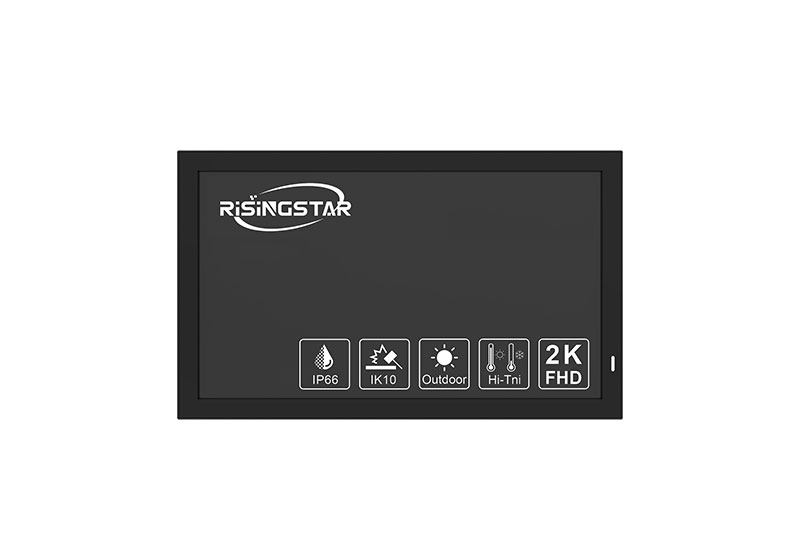
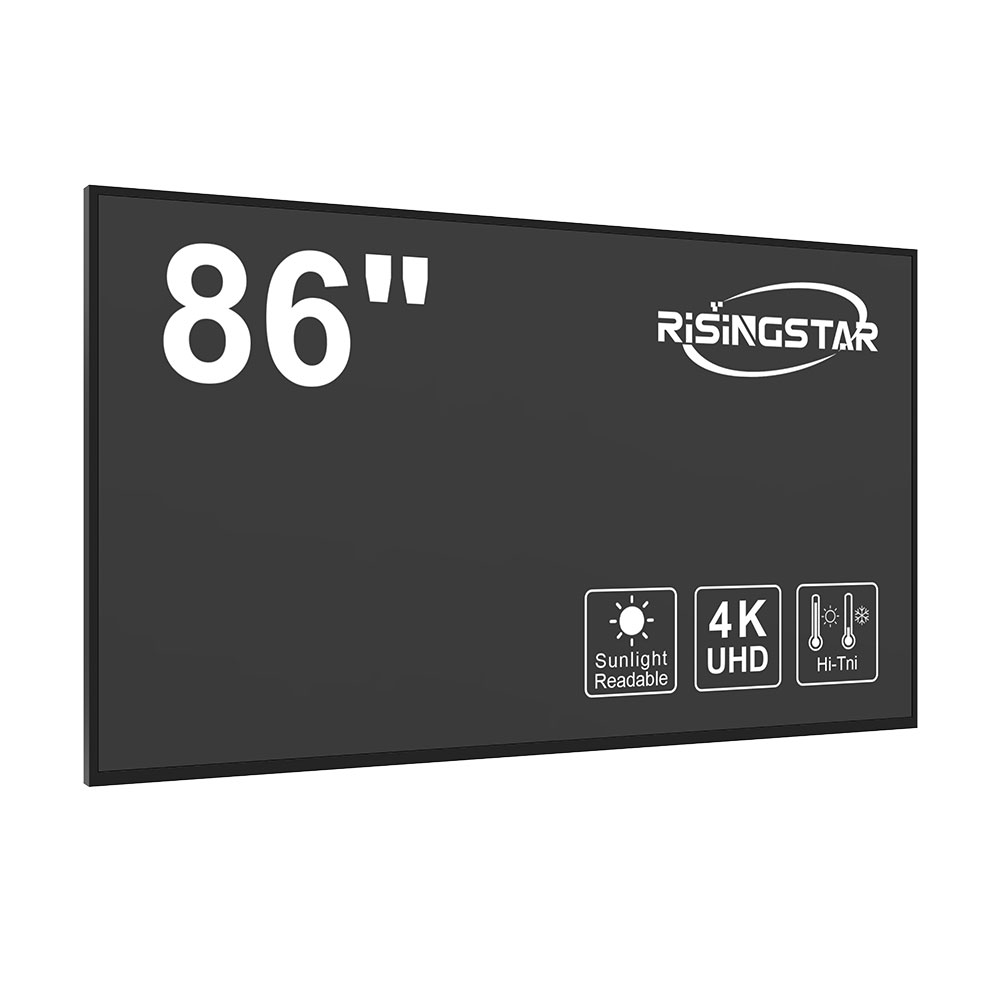
In today’s rapidly evolving industrial, military, and outdoor display markets, the demand for high-brightness, sunlight-readable LCD screens has never been greater. These displays are essential in environments where ambient light intensity exceeds typical indoor conditions—such as construction sites, solar farms, vehicle dashboards, and command centers. Among the most advanced solutions available today are high-brightness LCDs offering 2K (2560×1440) and 4K (3840×2160) resolution options, which not only improve visibility under direct sunlight but also provide enhanced image clarity, color accuracy, and user experience.
Manufacturers like LG Display, BOE Technology, and Sharp have developed ultra-high-brightness panels capable of up to 10,000 nits peak brightness using LED backlighting and advanced anti-glare coatings. These features are critical in ensuring that operators can read critical information—even under full sun exposure—without eye strain or misinterpretation. The integration of 2K and 4K resolutions into such high-brightness LCDs brings a significant upgrade in detail fidelity. For example, in aerospace applications, 4K resolution enables pilots to view complex sensor data, weather maps, and navigation systems with precision that 1080p screens simply cannot match.

Case studies from the U.S. Department of Defense and NASA illustrate the effectiveness of these displays. In field operations, soldiers using 4K sunlight-readable LCDs in tactical tablets reported 40% faster decision-making compared to 1080p models due to improved text legibility and reduced visual fatigue during prolonged missions. Similarly, NASA's Mars rovers utilize custom-built 2K high-brightness LCDs for onboard diagnostics and real-time imaging, demonstrating the importance of resolution and brightness in extreme environmental conditions.
The technology behind these displays combines multiple innovations: local dimming LED backlights for contrast control, IPS (In-Plane Switching) or VA (Vertical Alignment) panel types for wide viewing angles, and polarization filters that reduce glare. Additionally, many modern designs now incorporate automatic brightness adjustment via ambient light sensors—ensuring optimal power efficiency while maintaining readability. These advancements are aligned with MIL-STD-810H and IP67 standards, making them suitable for harsh environments including dust, vibration, and temperature extremes ranging from -30°C to +70°C.
From an engineering perspective, choosing between 2K and 4K resolution depends on application-specific needs. While 2K is often sufficient for general-purpose use—like agricultural machinery monitoring or fleet management—4K becomes indispensable for medical devices, surveillance systems, and precision industrial automation where fine details matter. As AI-driven analytics and edge computing become more common in embedded systems, higher resolutions allow for better integration of real-time data visualization directly on the screen.
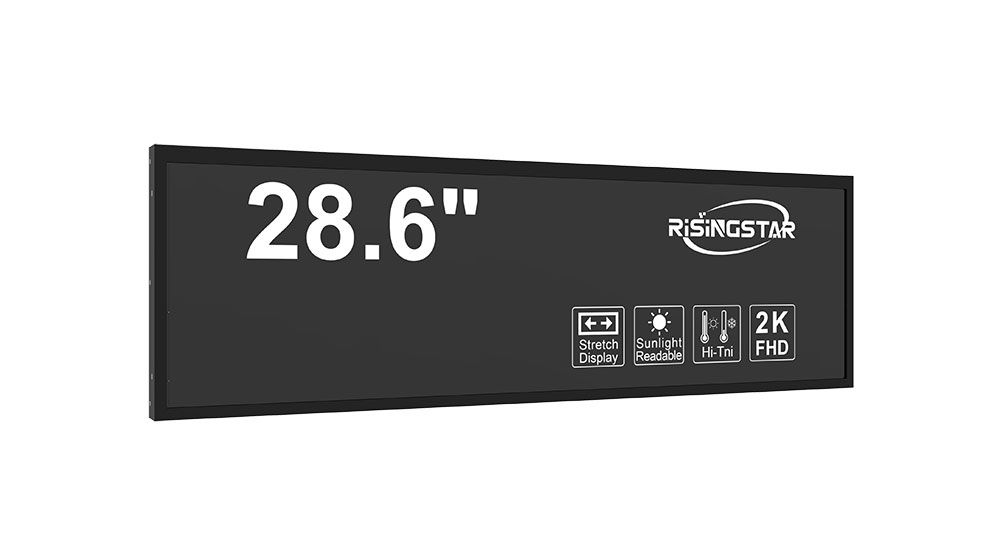
With global adoption growing across sectors—from defense and energy to transportation and healthcare—the future of sunlight-readable LCDs lies in balancing performance, durability, and resolution. OEMs must consider not only brightness levels and resolution but also power consumption, thermal management, and long-term reliability when specifying displays for mission-critical applications.