 RisingStar
- Home
- About Us
- Products
- News
- Video
- Contact
- Send Inquiry
Search
- Home
- About Us
- Products
- News
- Video
- Contact
- Send Inquiry
RisingStar
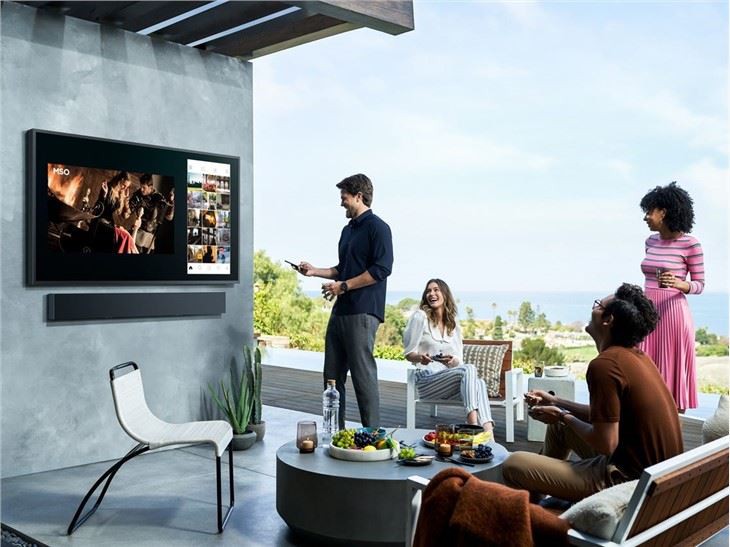
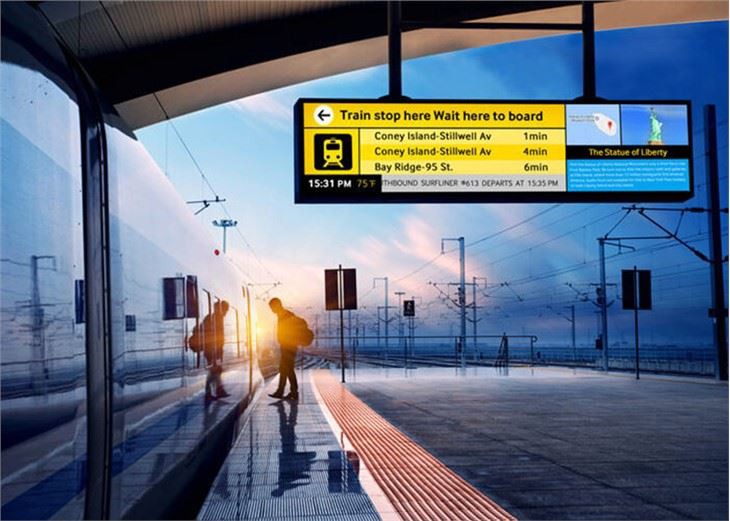
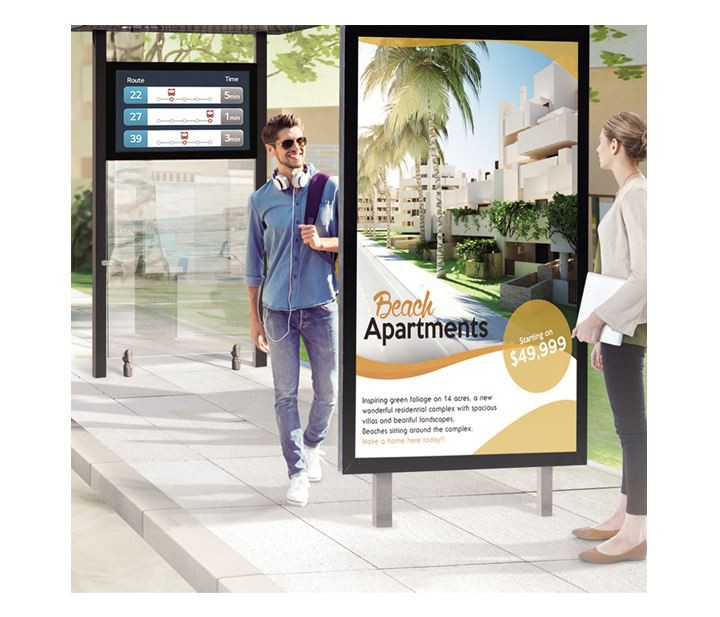
High-brightness sunlight-readable LCD screens have become indispensable in modern outdoor and industrial environments where visibility under direct sunlight is critical. These displays are engineered to maintain clarity, contrast, and color accuracy even under extreme lighting conditions—such as full-spectrum daylight, glare, or low-light settings—making them essential in transportation, military, medical, retail, and public information systems.
Unlike standard LCDs, which often suffer from poor visibility when exposed to sunlight due to limited brightness (typically 250–350 cd/m²), high-brightness LCDs operate at 1,000 cd/m² or higher, with some models reaching up to 5,000 cd/m². This enhanced luminance ensures content remains legible during daytime operations without requiring additional shading or environmental control. For instance, the U.S. Department of Defense mandates that all tactical displays used in field operations must exceed 1,500 cd/m² to ensure mission-critical readability in combat zones—a requirement now widely adopted across global defense sectors.
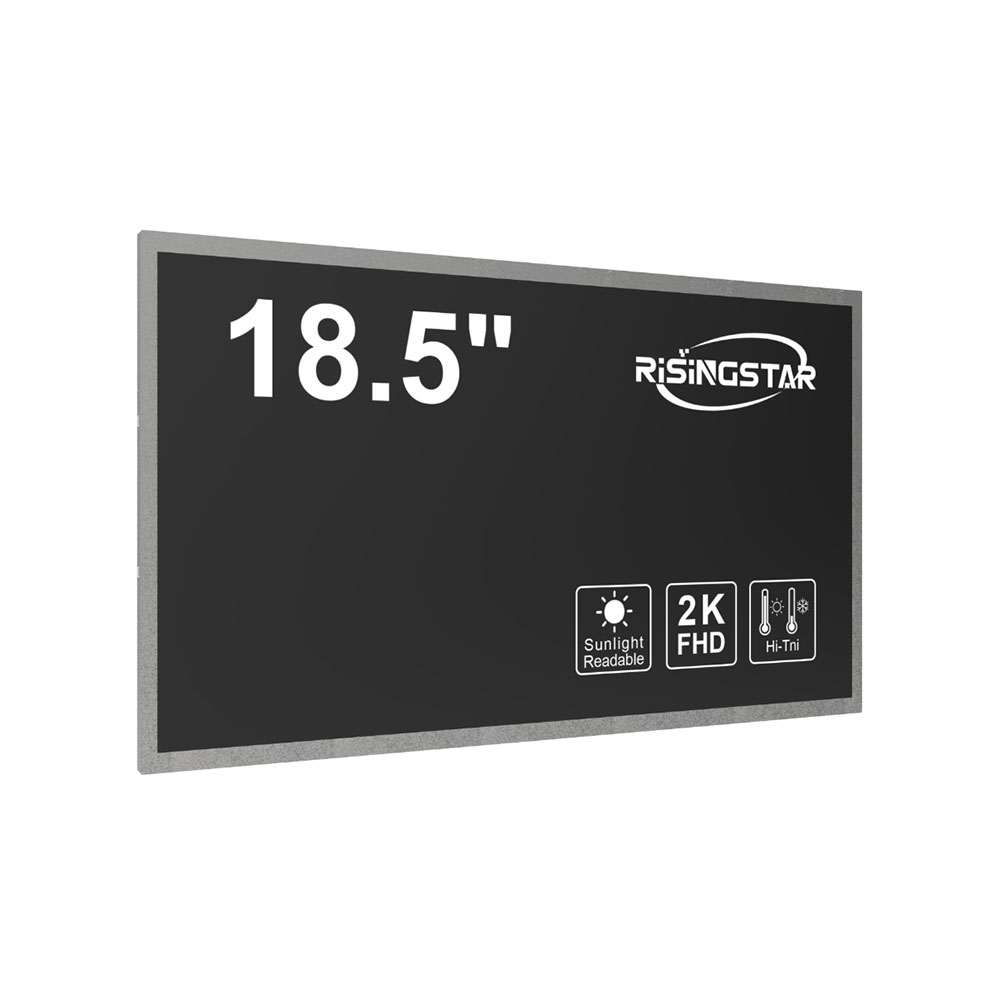
The design of these screens incorporates advanced technologies such as anti-glare coatings, polarized filters, and adaptive backlighting. Anti-glare coatings reduce specular reflection by diffusing incident light, while polarized filters enhance contrast ratios by minimizing ambient light interference. Additionally, dynamic brightness control adjusts screen output based on ambient light sensors, optimizing power consumption and extending lifespan—particularly crucial for battery-powered devices like handheld scanners or mobile command units.
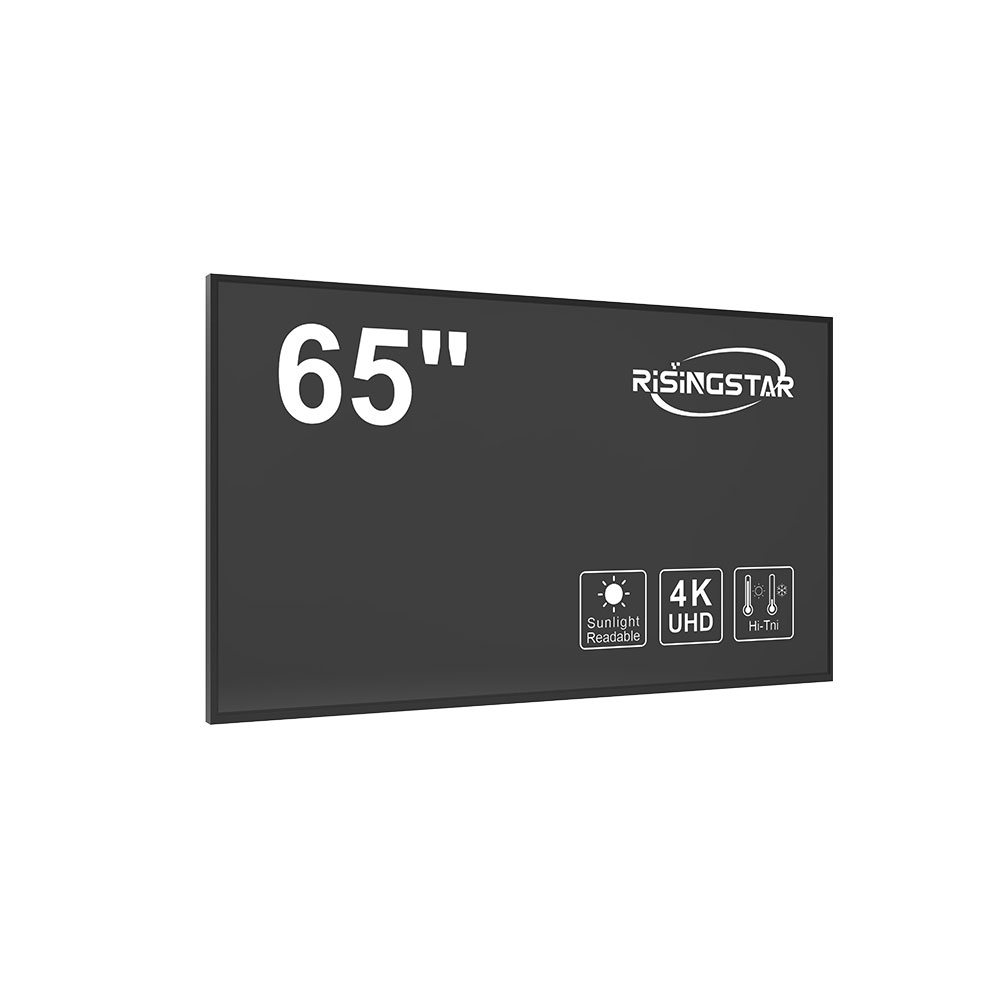
Manufacturers like LG Display, Sharp, and E Ink have pioneered specialized modules tailored for outdoor use. For example, LG’s “Sunlight Readable” series uses a combination of high-efficiency LED backlights and an integrated optical bonding process that seals the display layers, eliminating air gaps that cause internal reflections. This bonding technique also improves durability against shock, vibration, and moisture—critical for applications in mining, construction, and maritime navigation.
Case studies further validate performance gains. A 2023 deployment by Siemens in smart grid monitoring stations across Australia demonstrated that high-brightness LCDs reduced operator errors by 68% compared to standard displays in sunny regions. Similarly, hospitals using outdoor patient information kiosks in Phoenix, Arizona, reported a 40% increase in user engagement after switching to 3,000 cd/m² displays—proof that legibility directly impacts usability and user satisfaction.
From a technical standpoint, industry standards such as MIL-STD-810G for environmental testing and ISO 9241-3 for human-centered design guide development. Compliance ensures not only physical resilience but also ergonomic effectiveness, especially for prolonged viewing in demanding scenarios.
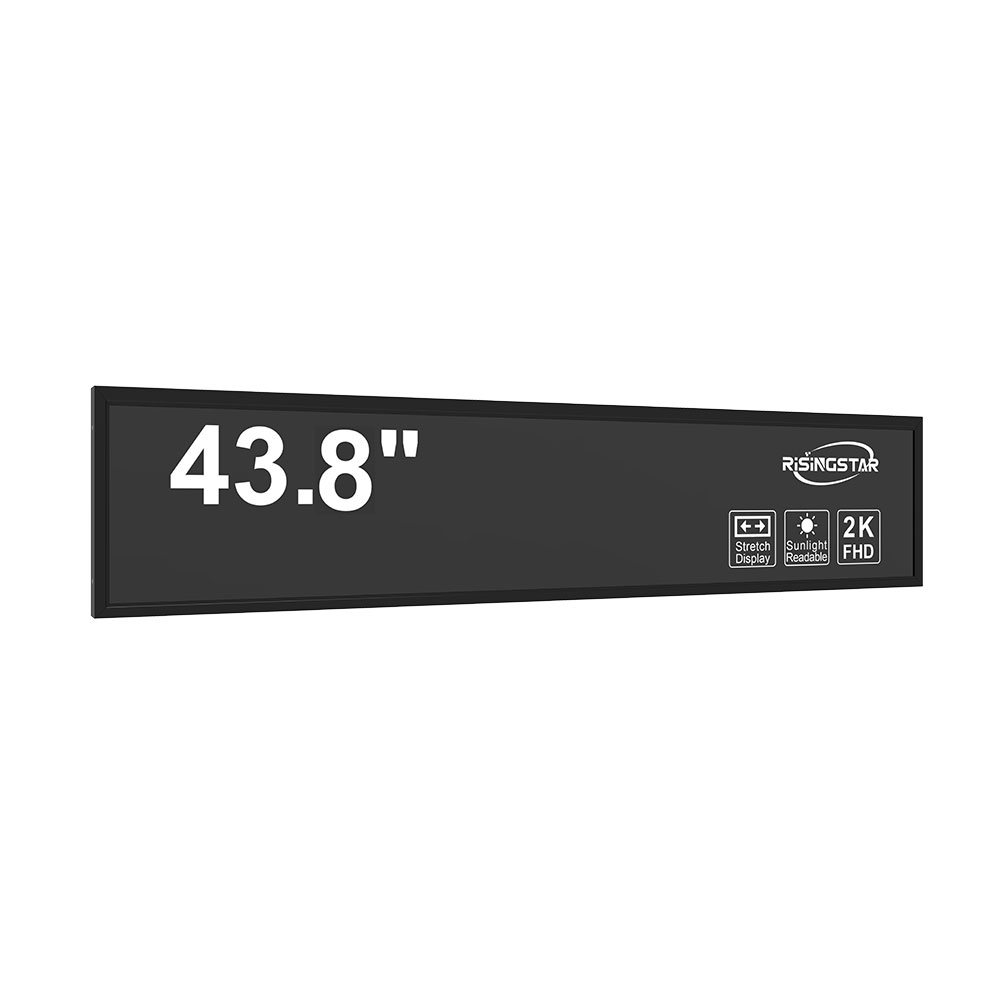
In conclusion, high-brightness sunlight-readable LCDs represent a convergence of material science, optical engineering, and real-world application needs. As more industries embrace automation, mobility, and digital signage, their demand will continue to rise—driven by both regulatory requirements and end-user expectations for reliable, intuitive interfaces in any environment.