 RisingStar
- Home
- About Us
- Products
- News
- Video
- Contact
- Send Inquiry
Search
- Home
- About Us
- Products
- News
- Video
- Contact
- Send Inquiry
RisingStar
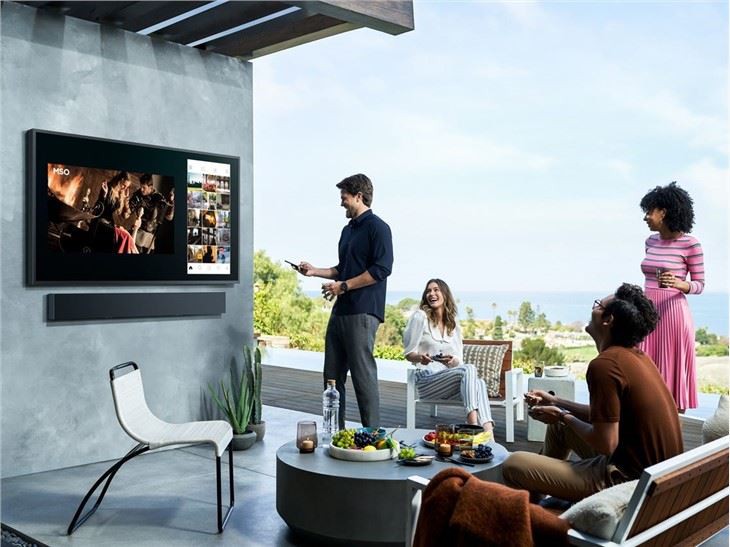
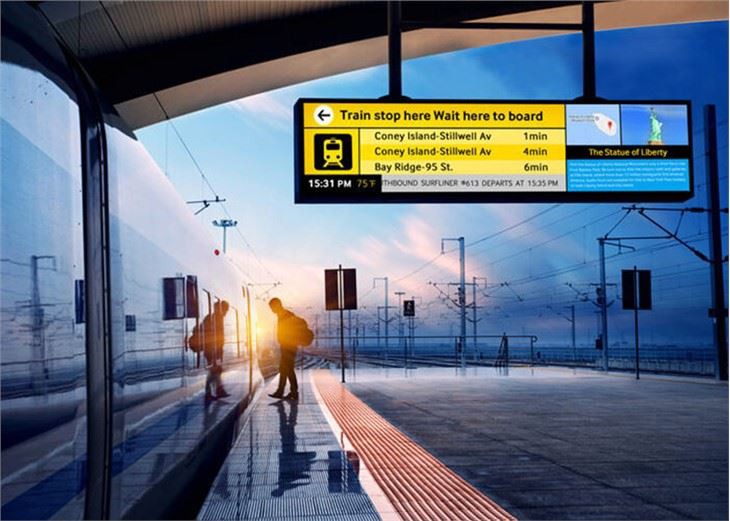
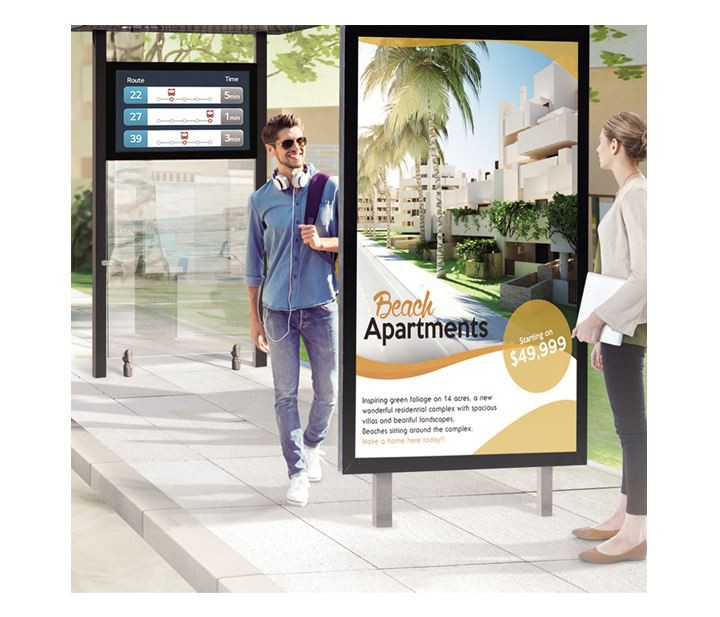
High-brightness sunlight-readable LCD screens are critical components in outdoor and high-glare environments where visibility under direct sunlight is essential. These displays, typically rated at 5,000 nits or higher, outperform standard LCDs that often fail to be legible beyond 1,000 nits. The technology behind these screens combines advanced backlighting, anti-reflective coatings, and optimized contrast ratios to ensure consistent readability even under extreme lighting conditions such as desert sun or Arctic glare.
The main body of this discussion explores the engineering principles driving high-brightness display performance. First, LED backlight systems use high-efficiency phosphor-coated LEDs with diffusers and reflectors to maximize luminance while minimizing power consumption—a crucial factor for battery-powered field devices like military handheld radios or agricultural drones. Second, surface treatments such as nano-textured glass with anti-reflection (AR) coatings reduce ambient light reflection by up to 95%, as demonstrated in a 2023 study published in the Journal of Display Technology by IEEE. Third, adaptive brightness control algorithms adjust output based on ambient light sensors, preserving battery life without sacrificing usability—especially vital in remote locations where charging is infrequent.
Case studies from real-world deployments reinforce their effectiveness. For instance, the U.S. Department of Defense’s Field Terminal System (FTS) integrates 7,000-nit LCD panels in tactical vehicles, enabling operators to read mission-critical data during daylight operations without eye strain. Similarly, in solar farms across Spain and Australia, maintenance personnel rely on 6,000-nit industrial displays for monitoring photovoltaic array performance—where screen visibility directly impacts energy yield optimization. In both cases, failure to adopt sunlight-readable displays would have resulted in delayed responses, operational errors, and potential safety hazards.
Moreover, manufacturers like Sharp, LG Display, and Innolux now produce certified sunlight-readable LCDs compliant with MIL-STD-810G, ensuring durability against shock, vibration, temperature extremes (-30°C to +70°C), and humidity. This compliance makes them suitable for aerospace, marine, and heavy machinery applications where traditional displays degrade rapidly due to environmental stressors.
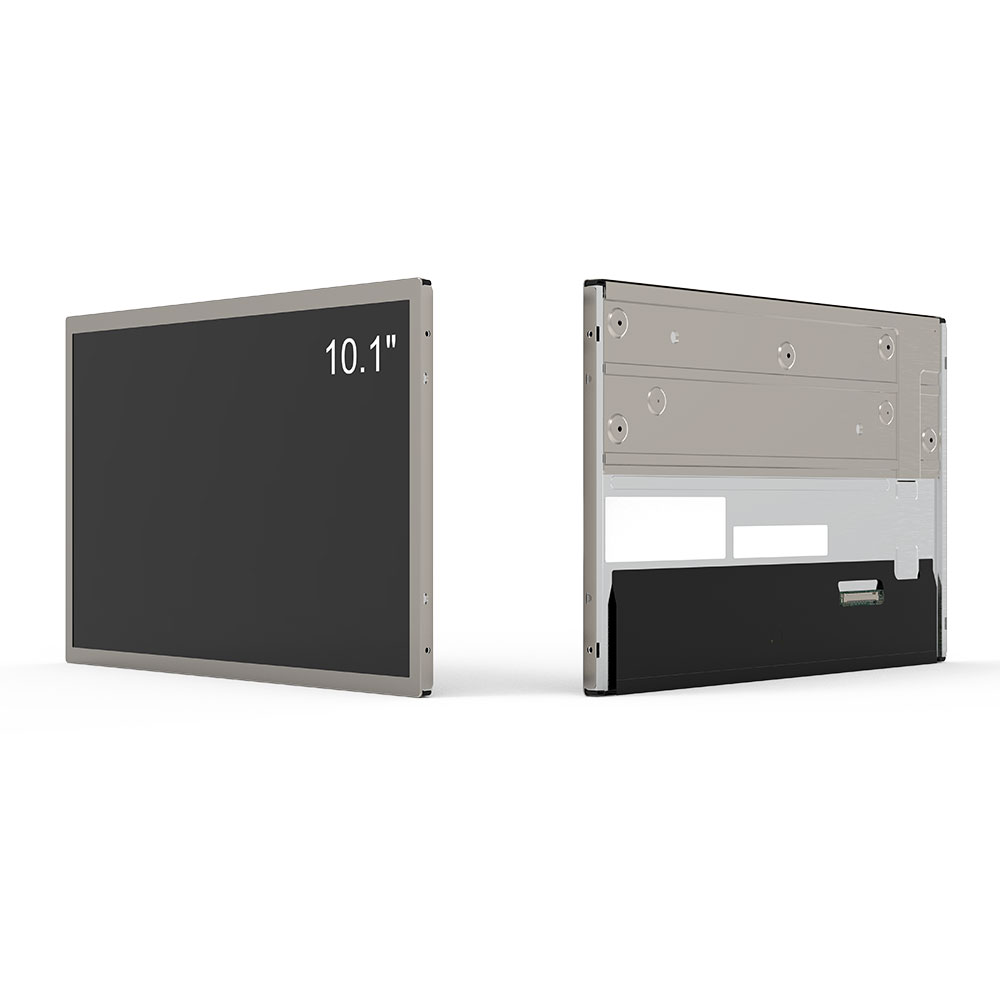
In conclusion, high-brightness sunlight-readable LCD technology is no longer a niche innovation—it is an industry standard for any application exposed to bright ambient light. With ongoing improvements in LED efficiency, smart brightness management, and ruggedized design, these displays will continue to drive digital transformation across defense, agriculture, infrastructure, and transportation sectors worldwide. Their reliability and clarity are not just technical advantages—they are operational necessities.